


Best Spelling Curriculum for Struggling Readers Guide
A child who reads at grade level may still struggle to spell common words like "said" or "went." Reading and spelling are related but separate skills that require different teaching paths. Finding a program that bridges this gap is the first step toward building confidence in your home classroom.
Shop the Code Breakers Bundle , a complete spelling and reading system built on the Science of Reading, with Sound Cards, reusable workbooks, and step-by-step missions.
The best spelling curriculum for struggling readers uses a structured and orderly approach that focuses on sound-to-letter mapping instead of memory. This method teaches children how to break words down into single sounds and connect those sounds to the right letters. According to researchers at the National Institutes of Health, spelling knowledge is deeply linked with reading ability, and teaching spelling can strengthen reading skills. To help a child who struggles, look for a program that includes multi-sensory tools and clear, step-by-step lessons. A high-quality program should build skills in a logical order so the child masters one rule before moving to the next. This structure reduces stress and helps kids gain the tools they need to become confident writers and readers in their daily school work.
Why Reading Skill Does Not Guarantee Spelling Skill
Many parents feel confused when a child who reads well still struggles to spell simple words. It seems like these two skills should go hand in hand, but they use different parts of the brain. Reading is about recognition while spelling is about recall. Understanding how these two tasks differ helps you choose the best spelling curriculum for struggling readers.
Recognition vs Recall
Reading is a recognition task where the brain sees a word and links it to a known sound. Spelling is much harder because it needs total recall of every letter in the right order. A child might recognize a word by its shape but not know how to build it from scratch. This is why a child can read a story but still need explicit spelling instruction to master writing.
Input and Output Systems
Think of reading as input and spelling as output. Reading allows for some guessing based on the story or pictures. Spelling has no room for error and needs a deep knowledge of phonics rules. Research shows that spelling knowledge is deeply intertwined with reading ability, but the two do not always develop at the same speed. Teaching spelling can help a child become a much stronger reader over time.
The Sequential Letter Path
To spell a word, a child must hold a sequence of sounds in their head and match them to letters. This step-by-step path is often where the breakdown happens. While reading feels like a smooth flow, spelling is a slow and precise build. If a child lacks a strong base in sound-to-letter mapping, their spelling will lag behind their reading level. Using a structured plan helps bridge this gap and gives the child the tools they need to succeed.
What to Look for in the Best Spelling Curriculum for Struggling Readers
Finding the right tools for your child can feel like a big task. Many parents try list after list, but the words just do not stick. The best spelling curriculum for struggling readers focuses on logic and patterns. It should not ask a child to guess or just learn by heart. Instead, it should show them how to crack the code of the English language. This way of teaching is often called the Science of Reading, and it has changed how we help kids grow.
Here are the essential features every quality spelling program should include:
- Systematic scope and sequence , Lessons start with simple sounds and build to complex patterns. Each step prepares the child for the next one.
- Phoneme-grapheme mapping , The program teaches sound-to-letter connections explicitly, not through guessing or whole-word memorization.
- Multi-sensory instruction , Kids see the letter, hear the sound, and feel the shape through touch and movement.
- Built-in review , Spaced repetition helps transfer spelling rules from short-term to long-term memory.
- Decodable practice , Reading passages use only the sound patterns the child has already learned, building confidence and fluency.
Structured and systematic teaching
A good program must follow a clear and steady path. This is called systematic instruction, and it is essential for kids who find reading and spelling tough. You want a program that starts with easy sounds and builds to hard ones. It should not skip around. Each new lesson should build on what the child learned the day before. This helps them feel confident as they grow. When a child knows what to expect, they can focus all their brain power on the new skill.
Key point: A structured literacy plan focuses on phonics and how sounds work. It does not leave any part of the process to chance. For a child who struggles, knowing the "why" behind a word makes a big difference. It turns spelling from a scary guessing game into a skill they can master with time.
Phoneme-grapheme mapping
One big piece of the puzzle is how we link sounds to letters. This is a process called phoneme-grapheme mapping. It involves teaching the bonds between single speech sounds and their written marks. When a child learns this, they stop seeing a word as one big shape. They start to see it as a group of small sounds that fit together. This helps them map the sounds into their brain. Once a sound is mapped, they can pull it out fast when they need to write it down on paper.
Before a child can map sounds to letters, they need to be able to hear them clearly. You can help them at home with simple phonemic awareness practice. This builds the ear for sounds before the child even picks up a pen or a book. Once they can hear each sound in a word like "chip," they are ready to learn which letters make those sounds. A top-tier program will spend a lot of time on this step.
Using all the senses to learn
Kids who struggle often learn best when they use more than one sense at a time. This is known as multi-sensory teaching. It is a main part of programs that work well for kids with dyslexia or other learning needs. In a multi-sensory lesson, a child might see a letter, hear its sound, and trace its shape all at once. This sends many signals to the brain. Those signals help the lesson stick in a way that just looking at a flat page cannot do.
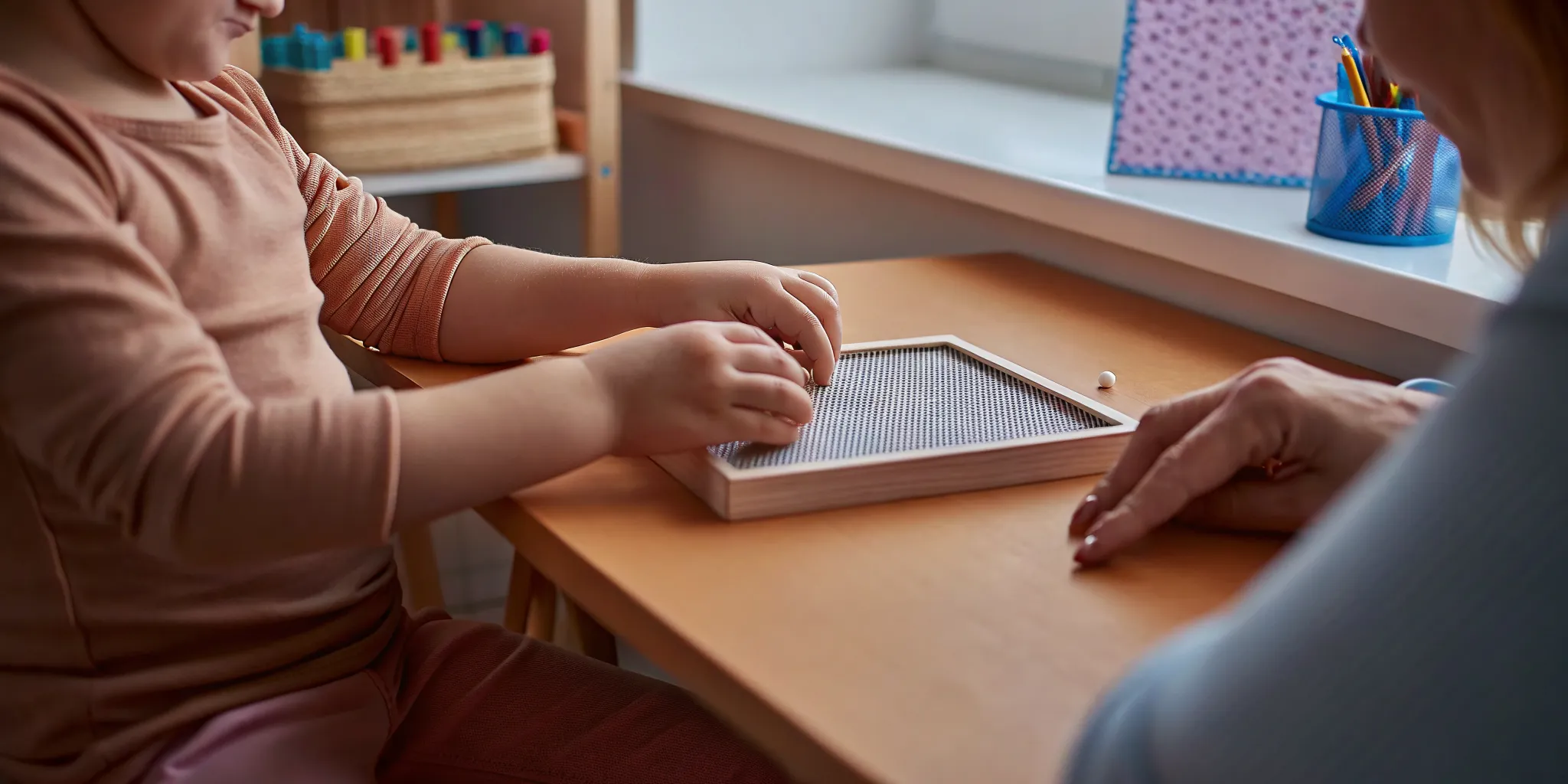
Many of these methods come from the Orton-Gillingham way of teaching. These plans are known for being structured and using the senses to keep kids on track. When you look for a program, see if it lets the child move their hands or touch things. Reusable books with grooves or sound cards are great examples of this. These tools let a child feel the letters as they learn their names and sounds. This kind of hands-on work keeps kids focused and happy. It also helps them build the muscle memory they need to spell words right every time.
Common Gaps in Traditional Spelling Curricula
Many parents search for the best spelling program for struggling readers and find that standard methods fall short. Most books assume that if a child can read, they will also know how to spell. But spelling is a much harder task that needs a different set of skills. For kids who struggle with letters, the gaps in common books can lead to deep frustration. As Grooved Learning founder Jenna, a homeschool mom and Master's-level educator, has seen firsthand, these gaps hurt a child's confidence.
The Trap of Weekly Word Lists
One big flaw in most programs is that they rely too much on memorizing whole word lists. Most school books give kids a list of words on Monday and a test on Friday. This method tests short-term memory but does not build real skill. Experts at the National Library of Medicine say that step-by-step teaching is essential for kids who struggle to master sound rules. Without it, a child may pass the test but forget the words by the next week. This cycle of "cram and forget" hurts long-term growth. A better way builds the skill of mapping sounds to letters rather than just rote recall.
Missing Step-by-Step Phonics
Most programs lack a clear, steady path. They may jump from one rule to the next without enough practice. This lack of order is hard for kids who need to know the "why" behind each word. Explicit teaching helps students see how sounds and letters work as a team. When a book skips these steps, struggling readers often start to guess. Guessing is a bad habit that is hard to break. Instead, kids need to learn how to break words down into small parts. For more on choosing a complete literacy approach, see our guide on how to choose a structured literacy curriculum for homeschool.
Lack of Multi-Sensory Tools
Most school books rely only on paper and ink. For a child who has a hard time sitting still, this is not enough. Research shows that multi-sensory teaching is a hallmark of success for readers with dyslexia or other gaps. Good programs use sight, sound, touch, and movement. When kids can feel the shape of a letter or hear the sound as they write, they keep the facts better. Programs that ignore these senses miss a big chance to help struggling kids succeed. By using tools that engage all the senses, you can make learning feel less like a chore.
No Focus on Word Parts
Many books do not teach how to map sounds to letters. This is called phoneme-grapheme mapping. It is a key part of the Science of Reading. Without this skill, kids treat every word as a new puzzle to solve. They do not see the patterns that make spelling easier. A good program will show a child how to connect the sounds they hear to the letters they see. This makes spelling feel clear rather than a mess. When a child learns to map words, they gain the tools to spell words they have never seen before.
A Side-by-Side Comparison of Top Spelling Programs
Choosing the best spelling curriculum for struggling readers is a big step for any homeschool parent. You want a tool that makes sense to your child. It should take the stress out of daily lessons. Most kids who struggle with spelling need a plan that is clear and easy to follow. A good path helps them see the link between sounds and letters without feeling lost.
Program comparison table
Many top programs use the Orton-Gillingham method. This approach is orderly and uses more than one sense at a time. It breaks down words into small parts so kids can learn one rule before they move on. Using a structured literacy plan is often the best way to help a child who finds spelling hard.
| Program | Orton-Gillingham Based | Multi-Sensory | Key Features | Price |
|---|---|---|---|---|
| All About Spelling | Yes | Yes | Uses letter tiles and seven levels | $49 - $70 per level |
| Phonetic Zoo | Yes | Auditory Focus | Focuses on hearing sounds with CDs | $99 for starter kit |
| Logic of English | Yes | Yes | Deep dive into rules and phonics | $100 - $250+ |
| Code Breakers | Yes | Yes | Includes Sound Cards, reusable workbooks, and mission-based lessons | $97 (workbook bundle) + $77 (Sound Cards) |
How to find the right fit
When you look at these picks, think about how your child learns. Some kids love to use their hands with tiles or cards. Other kids might learn better by hearing sounds on a recording. A program that uses multi-sensory teaching is often the best fit for kids who find school work hard. It lets them see, hear, and touch the letters as they learn.
Cost comparison tip: Some plans have many levels to buy and track over years. Other programs, like Code Breakers, give you a full system in one purchase. You want a tool that is easy to start. It should help your child grow without making you spend hours in prep work each night.
Why Code Breakers is a top choice
Grooved Learning created the Code Breakers bundle to be a fast and effective tool. It uses the best parts of the Orton-Gillingham method. The program is a strong choice as the best spelling curriculum for struggling readers. It uses simple missions to teach phonemic awareness and spelling in a clear way. Kids get to use Sound Cards and reusable books to practice their skills.
The focus is on building confidence. Code Breakers does not ask kids to learn long lists of words by heart. Instead, it shows them how to solve the "code" of spelling. This helps them feel smart and capable. For parents who want an easy, open-and-go plan, this is a top pick that gets results quickly. For more on choosing the right fit, read about how to choose a reading and spelling curriculum for your child.
How to Choose the Right Spelling Curriculum for Your Child
Picking a new spelling program feels like a big task for any parent. You want a tool that truly works, but it also must fit into your busy day at home. Many families find that standard word lists just do not help kids who struggle to decode. If your child can read a page but fails a spelling quiz, you likely need a different path.
Jenna, founder of Grooved Learning, knows how hard it is to watch a child get upset over spelling. The right tool changes how a child sees language. It turns spelling from a chore into a puzzle they know how to solve.
Signs your current spelling program is not working
Does your child ace the Friday test but forget every word by Monday? This is a clear sign they are using short-term memory instead of true skill. Here are common warning signs:
- Frequent guessing , The child writes words differently each time rather than applying a consistent rule.
- Omitting middle sounds , Words like "went" become "wet" or "best" becomes "bet."
- Letter reversals that persist , Swapping "b" and "d" or writing "saw" for "was" past age 7.
- Resistance to writing , The child avoids spelling tasks because they feel overwhelming.
- Big gap between reading and spelling , Reading at grade level but spelling two or more grades behind.
Standard methods often rely on visual memory alone. For kids with dyslexia or spelling gaps, this is not enough. They need to hear the sounds, see the letters, and feel the motion of writing. If your current book only asks them to copy words five times, it might be time for a change.
How to find the best fit for your family
Finding the best spelling curriculum for struggling readers requires systematic instruction. This means the lessons build on each other in a clear, solid way. You want a program that does not skip steps or assume your child knows the rules. Use these steps to pick a program that will help your child grow. Before you buy, try some phonemic awareness activities to see where your child stands.
- Assess your child's exact spelling gaps. Look at whether they struggle with basic sounds, syllable rules, or keeping letter patterns in their head. A simple five-minute spelling inventory can show you where to start.
- Look for clear lessons rather than just word lists. The program should teach the "why" behind every rule so your child does not have to guess. Explicit instruction is what makes the difference.
- Check that the tools use multi-sensory techniques. Your child should use sight, sound, and touch to help new words stick in their mind. Programs that only use paper miss this critical piece.
- Verify that the program uses phoneme-grapheme mapping. This helps kids connect the sounds they hear to the exact letters they need to write down. It is the foundation of the Science of Reading approach.
- Think about your own teaching style. Choose an "open-and-go" book that does not need hours of prep work before you start your day. Consistency matters more than complexity.
Practical Spelling Strategies That Work at Home
A good curriculum is only part of the solution. To see real gains, you need simple ways to help your child practice at home. These strategies turn spelling from a chore into a hands-on skill. By using short, daily sessions, you can help your child build confidence and improve their ability to map sounds to letters.
Map Sounds to Letters Every Day
One of the best ways to help your child is through phoneme-grapheme mapping. This means you teach them to connect the sounds they hear (phonemes) to the letters they write (graphemes). Research shows that phoneme-grapheme mapping helps kids understand how words work. It is much better than just memorizing them. You can use simple grids to have your child write one sound per box.
This kind of phonemic awareness practice is the first step in the Code Breakers system. When children can hear each sound clearly, they can spell more accurately. Start with short words. Move to longer ones as they get better. This small habit makes any curriculum more effective for a struggling reader.
Use Multi-Sensory Teaching Tools
Struggling readers often learn best when they use more than just their eyes. Multi-sensory instruction is a key part of teaching children with dyslexia. It also helps those with other learning gaps. You can have your child tap out sounds on their arm. They could also write letters in a tray of sand. These tactile moves help the brain store spelling rules in a new way.
Tip from Jenna: Grooved Learning builds these multi-sensory techniques right into its books. The tactile grooves guide a child's hand as they write, helping them focus on the letters and sounds without getting tired. Using these tools for ten minutes a day is better than one long session each week. Consistency is what helps kids finally remember those tricky spelling patterns.
Practice with Decodable Reading
Spelling and reading are two sides of the same coin. When your child learns a new pattern, they should also see it in their reading. You can use structured reading practice to reinforce what they learn. Look for books that only use the sounds your child has already mastered. This helps them gain confidence without feeling stuck.
If you want the best spelling curriculum for struggling readers, look for a system that ties reading and spelling together. The Code Breakers system uses this integrated approach to build total literacy. By matching your home practice to a clear plan, you give your child the best chance to succeed.
Frequently Asked Questions
How do you teach spelling to a student with dyslexia?
Teaching spelling to a child with dyslexia requires a structured and multi-sensory approach. According to the National Institutes of Health, multi-sensory teaching is a key part of effective programs for these learners. This method uses sight, sound, and touch to help the brain build strong links between letters and sounds. Using tools like sound cards or tactile workbooks helps children move past simple memory and start to understand how words really work.
What is phoneme-grapheme mapping in spelling programs?
Phoneme-grapheme mapping is a way to teach children how to connect speech sounds to written letters. Research from the National Library of Medicine shows how this method helps kids link the sounds they say to the letters they write. Instead of just looking at a word, the student learns to map each sound to its correct symbol. This step is vital for kids who find it hard to guess or memorize long lists of words.
Does multi-sensory learning help with spelling retention?
Yes, multi-sensory learning helps students remember spelling rules by using more than one sense at a time. When a child sees a letter, says the sound, and writes it on a textured surface, they create a deep path in their brain. This path makes it much easier to remember the word later. Many parents find that tools like the Code Breakers Sound Cards help their children get these rules to stick. It moves the lesson from boring drills to an active and hands-on task.
Is a structured spelling curriculum better than word lists?
A structured curriculum is often much better than a simple list of words for children who struggle. Academic studies found at PubMed show that step-by-step teaching is essential for kids to master phonics rules. Regular word lists rely too much on memory, which can fail a student during a test or while writing. A structured program teaches the "why" behind every word, giving the student the tools they need to spell new words they have not seen before.
At what age should I start a formal spelling curriculum?
Most children are ready to begin formal spelling instruction between ages 5 and 7, once they have basic phonemic awareness and can write most letters. Starting too early with a formal program can cause frustration. The best spelling curriculum for struggling readers should meet the child where they are, not where a grade level says they should be. If your child is still learning letter sounds, start with phonemic awareness activities first.
Get the Code Breakers Bundle and Sound Cards , the complete Science of Reading system that builds spelling skills through structured, multi-sensory lessons.
Ready to find the right spelling curriculum for your child?
Struggling readers often feel stuck when spelling lessons do not stick. Each day without help can make these gaps feel wider for a child. Waiting to act can lead to more stress in school and at home. You can change this path by starting a proven plan for them now. Choosing a hands-on program today gives your child the tools to succeed. This builds the skills they need to read and spell with ease. Every lesson you start now is a step toward a better future.
Shop the Code Breakers Bundle and Sound Cards to get the tools your child needs to master spelling and build reading confidence today.

Written by
Jenna ColemanJenna Coleman is the founder of Grooved Learning, a former classroom teacher, M.Ed., and mom of three based in Pennsylvania. She creates hands-on, multi-sensory educational tools grounded in the Science of Reading. Every article is written from real classroom and parenting experience.
Learn more about Jenna →


