


Phonemic Awareness Activities at Home
When a child can say a word but cannot pull apart its sounds, reading and spelling can feel like guesswork. Phonemic awareness activities at home make those invisible sounds easier to hear through playful, low-prep practice with objects already in your kitchen, toy bin, or pocket.
Explore Grooved Learning's tactile Code Breakers Sound Cards for guided sound practice.
Phonemic awareness activities at home help children isolate, blend, segment, add, delete, and substitute sounds in spoken words. Parents can practice these skills with buttons, blocks, snacks, clapping, or hopping. Five playful minutes at a time gives children focused sound practice without turning the day into another formal lesson.
It is helpful to see exactly how these activities turn abstract sounds into concrete, physical tasks. A child does more than listen; they move, touch, and respond. The path begins with
How phonemic awareness activities at home build sound skills
Phonemic awareness games at home build sound skills by helping children hear and play with the single sounds in words. These oral tasks, such as rhyming or sound sorting, create a strong base for future reading. By focusing on spoken sounds before letters, parents help their children learn the building blocks of reading.
Understanding phonemic awareness
Phonemic awareness is the skill of hearing and working with the smallest sounds in spoken words. These tiny units of sound are called phonemes. This skill is a specific part of phonological awareness. It involves finding the sound structure of a word apart from its meaning. While some skills focus on big chunks like rhymes, this one looks at each single sound.
Children must learn to hear how sounds change when they move or swap. For example, they might hear how the sound /b/ in "bat" changes to /c/ to make "cat." Learning these shifts early helps prevent future reading struggles. Most kids who find reading hard have a core gap in this sound-based skill. This part of sound play is often the last and most advanced skill to develop in young learners.
The power of oral sound play
Short play sessions that focus on sound are very helpful for young learners. You do not need books or pens to start this work. It can happen in the car or while you make a meal. These oral games build the brain's ability to blend and split words by ear. Research shows that early sound skills are a top sign of later reading success.
By making these games part of your day, you give your child a head start. These simple tasks fit well with Grooved Learning's Code Breakers workbooks. You can use common items from around your house to keep things fun. This low-prep approach keeps kids engaged without adding stress to your busy schedule. Using daily routines makes the practice feel natural and easy for both you and your child.
Adding movement can also make these sessions more helpful. You can ask your child to jump or clap as they count the sounds in a word. This way of learning uses many senses to help the brain remember the sounds. Tactile tools allow kids to move objects by hand as they hear different parts of a word. This makes the abstract idea of a "sound" feel more real and concrete to a young learner.
Learning sounds before letters
Many parents think reading starts with the ABCs. But the English language has 44 distinct sounds and only 26 letters. This means children must learn to hear more sounds than they see on a page. This oral work happens best without looking at printed text first. It lets the child focus on what they hear rather than what they see. This split is key to building a strong base in phonemic awareness.
Once a child can hear and play with sounds, they are ready for phonics. This is when they start to match sounds to the letters they see. Using Grooved Learning's Code Breakers Sound Cards can help make this link clear. Building this sound base first makes the shift to reading and writing much easier for your child. It ensures they have the skills needed to decode new words with ease as they start to read.
Which sound skill should your child practice first?
Begin with listening, rhyme, and syllable play, then move toward isolating single sounds. After a child can identify first and last sounds, practice blending and segmenting. Adding, deleting, and substituting sounds come later because they ask children to hold and change sounds mentally.
Most parents should start with simple listening and rhyming games. These early skills build a base for phonemic awareness activities at home. Once a child can hear and play with large units of sound, like syllables, they can move to small sounds. This path helps kids get ready for reading success.
Begin with rhymes and rhythm
The path to reading starts with hearing big chunks of sound. Children first learn to spot rhymes and clap out the beats in words. These are the first steps in phonological awareness, which is the skill of hearing the structure of spoken language. Many kids who find reading hard have a gap in this area, so starting here is wise.
You can use rhyming games to help your child hear how word ends match up. Singing nursery rhymes also builds a strong link to future spelling skills. These tasks are low-prep and fit into your daily life. Try to keep these games light and fun to help your child stay keen on learning.
Move to single sound isolation
After your child can rhyme, you can move to small units called phonemes. This shift to small sounds is the core of phonemic awareness. Start by asking your child to find the first sound in a word like "sun." Sound isolation is a great first task for young learners. You can also hunt for objects in your home that start with the same sound.
Next, work on blending sounds together to make a whole word. For more help with these steps, a Code Breakers workbooks can guide your practice. This type of tool helps kids move from simple sounds to full words with ease. Using tactile tools can also help kids feel the sounds as they play.
Master blending and sound play
Blending and segmenting are key skills for reading and writing. Blending is the act of putting sounds together to form a word. For example, if you say "c-a-t," your child says "cat." This helps with reading when they start to see letters on a page. It turns single sounds into words they know and use each day.
Segmenting is the reverse of blending. You say a word like "dog," and your child breaks it into "d-o-g." This skill is key for spelling. Kids who can segment well can often spell words by hearing each part. You can use jumping or clapping to help your child count the sounds they hear. This keeps them moving and helps them learn faster.
The hardest skills involve changing sounds in a word. This might mean taking a sound away or swapping one sound for another. For example, you could ask your child to say "cat" without the "c" sound. Or, ask them to change the "m" in "mat" to a "s" to make "sat." These games build deep sound skills that lead to fast reading.
| Skill level | Focus | Example |
|---|---|---|
| Early listening | Rhymes and word beats | Find words that rhyme. |
| Sound isolation | First or last sound | Find the first sound in dog. |
| Blending | Join separate sounds | Blend /m/ /a/ /p/ into map. |
| Segmenting | Separate a word's sounds | Push one token for each sound in fish. |
| Sound manipulation | Add, delete, or switch sounds | Say flat without /l/. |
Easy activities for hearing and isolating sounds
To practice sound isolation, ask a child to name the first, middle, or last sound in a spoken word. Household objects make the task concrete: pull toys from a mystery bag, sort snacks by starting sound, or push a colored button forward to spotlight a middle vowel.
Sound isolation is the ability to hear and find single sounds within a word. You can practice this skill using common household objects like buttons and toys. These low-prep games build the base for reading success by helping children find where specific sounds live in a spoken word.
Mystery bags for starting sounds
Finding the first sound in a word is a key step for new learners. You can make a mystery bag using a small sack and items from around the house. To start, find a cloth bag or an old pillowcase. Put in three to five objects that start with sounds that are not the same. You might use a ball, a toy car, or a soft doll.
Have your child pull an item out and say its name. Ask them to tell you the first sound they hear in the word. You can say, "I have a /b/ /b/ /b/ sound in my bag. What could it be?" This is a great way to build basic phonological skills without needing any special tools.
If this task is too easy, you can change the game to make it harder. Add items that start with sounds that are a lot like each other, such as a spoon and a shoe. This forces the child to listen more closely to the very first sound.
You can also sort objects into piles. Use two bins and mark them with a letter or a picture. If your child pulls out a button, they put it in the "B" bin. This simple sorting task helps children connect spoken sounds to the things they see and touch every day.
Snack items for final sounds
Hearing the sound at the end of a word is often harder for kids than hearing the first sound. You can use snack time to practice this skill. Wait until your child is hungry and ready for a treat. Place three small bowls on the table. Tell them the first bowl is for the start, the second for the middle, and the last for the end of a word.
Use small items like grapes, crackers, or cereal pieces as markers. Say a short word like "cat" and ask your child to drop a grape into the last bowl when they hear the /t/ sound. This act shows that the sound comes at the end. You can also ask them to say the word "cat" but stop before the last sound.
If your child finds this too hard, you can use a structured reading and spelling system to give them more help. Grooved Learning's structured reading and spelling system uses tactile tools to make these sounds easier to find. By moving a real object as they say the sound, children can better feel the break between the middle and the end of the word.
Tactile tools for middle sounds
The middle sound in a word is usually the hardest for a child to hear. This is because it is squeezed between two other sounds. This is where multi-sensory tools become very helpful. You can use three large buttons or toy blocks to show the sounds in a three-letter word like "bus." Place the buttons in a row on the floor or a table.
As you say each sound, tap the button that matches the spot. Middle sounds are often vowels, which can be hard to hear. Use a colored button for the vowel to make it stand out. You can also have them push the middle button forward as they say the sound /u/.
Movement also helps children stay focused and learn faster. Ask your child to jump or clap when they hear the middle sound /u/ in "bus." This kind of tactile practice keeps the brain active and engaged.
You can also use Code Breakers Sound Cards to help them see the sounds they are hearing. Using real touch and movement makes sure that the lesson sticks. It turns a hard skill into a game that feels like play.
How to practice blending and segmenting with movement
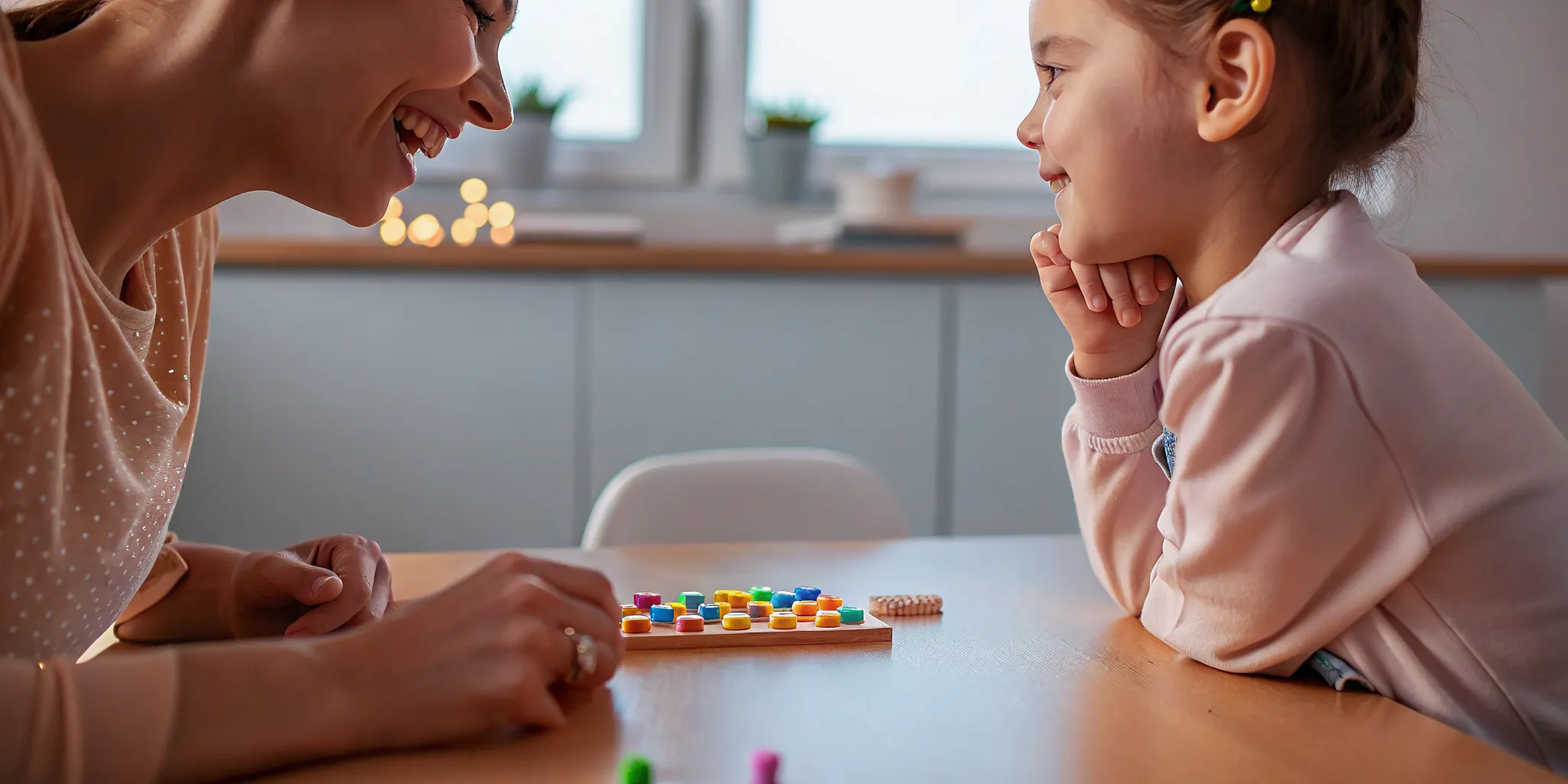
Use one movement for each sound: push a block, tap an arm, or hop into a floor square. For segmenting, say the sounds separately as the child moves. For blending, sweep a hand across the objects and join the sounds smoothly into the whole word.
Blending and segmenting are core skills for early reading. Research shows that kids who struggle with these tasks often face reading hurdles later. By adding movement (like tapping blocks or hopping) you make these phonemic awareness activities at home fun. This also helps build lasting reading success.
What are blending and segmenting?
Blending is when you put sounds together to form a whole word. For example, when you say the sounds /d/ /o/ /g/. Your child should hear the word "dog." This skill helps them read words when they start to see letters on a page. It is a key step in the path to becoming a strong reader.
Segmenting is the other side of this skill. It means taking a word and breaking it into each sound. If you say the word "sun," your child should be able to tell you the sounds are /s/ /u/ /n/. Both of these skills belong to phonological awareness. This is the ability to notice the sound structure of words.
Why movement helps with learning
Using movement keeps kids active and helps them stay on task. Grooved Learning's approach uses multi-sensory tools to help children learn. When a child uses their hands or feet to practice sounds, they build strong muscle memory. This makes it more simple for them to remember what they learn during this time.
Movement also makes the lesson feel like a game rather than work. This is helpful for children who may find sitting still for a long time hard. A structured reading and spelling system works best when it is fun and easy to do. You do not need fancy tools to start; you can use what you have at home.
Easy ways to practice at home
You can use items like toy cars, coins, or blocks to help your child see the sounds. Pushing an object for each sound makes the idea of a sound feel real. You can also have them tap their arms or jump on the floor. These small acts help bridge the gap between hearing a sound and knowing its place in a word.
When you practice, it is key to show how to blend sounds without a break. This is known as continuous (smooth) blending. It keeps the sounds connected so your child can hear the word with ease. You can use your finger to lead their eyes across the objects as you say the word in one smooth flow.
- Pick a short word with two or three sounds, such as "cat" or "up."
- Place one block or coin on the table for each sound you hear in that word.
- Model segmenting by pushing one block forward as you say each sound slowly.
- Show your child how to blend by sliding your hand across all the blocks while saying the word in one smooth breath.
- Ask your child to copy your moves while they say the sounds and the word out loud.
- Try a "jumping" game where your child hops into a new floor tile for each sound they hear.
Repeat these steps with new words to keep the practice fresh. Start with words that have only two sounds before moving to longer ones. This slow build-up helps your child feel sure without feeling like it is too much. Steady practice for just a few minutes a day can lead to big gains in their reading skills.
You can also try using your child's favorite toys for these tasks. If they love cars, have them drive a car into a "parking spot" for each sound. If they like to draw, have them make a mark on a piece of paper for every sound they hear. The goal is to make the sounds something they can see and touch while they listen.
Try adding, deleting, and substituting sounds
Once a child can blend and segment confidently, invite them to change words by sound. Ask what happens when they add /s/ to top, remove /c/ from cup, or replace /c/ in cat with /b/. Keep the words short and model the change first.
Advanced sound play helps kids build the skills they need for reading and spelling. By adding, deleting, or swapping single sounds in words, children learn how language fits together. These phonemic awareness activities at home prepare older learners for more complex tasks like decoding and can be done during any daily routine.
The magic of sound swaps
Once a child can find the first and last sounds in a word, they may be ready for sound swaps. This game asks a child to trade one sound for another to make a new word. For example. Start with the word "cat" and ask the child to change the /c/ sound to a /b/ sound to make "bat." This skill helps children see that even small changes in sound can create a whole new meaning.
Practicing these swaps builds a strong base for later reading success. The National Institutes of Health says that playing with word sounds is a key part of learning to read. You can use Grooved Learning's phonics sound cards to make this game more visual and tactile for your child.
Adding and deleting sounds for a challenge
Adding and taking away sounds are hard tasks for a young learner. To practice sound adding. Ask your child what word they get if they add /s/ to the start of "top." They should hear the new word "stop." This game shows how sounds blend together to form longer words. Keep it playful and stop if the child feels upset or tired.
Taking away sounds is another fun move. Ask your child to say the word "cup" without the /c/ sound to get "up." You can use blocks or small toys to stand for each sound. Moving the toys as you speak helps children learn how to take out a single sound. This multi-sensory approach is a core part of Grooved Learning's Code Breakers system for struggling readers.
Playful scripts for home practice
You can turn sound play into a fun game during car rides or meal times. Use a cheerful voice and keep the work short. A simple script might sound like this: "I have the word pig. What happens if we take away the /p/ and put a /w/ there instead?" Let the child find the new word "wig" and cheer for their success with a high five.
Try these quick games when your child is ready to learn. You could say, "If I have fan and I add an /s/ to the front. What do I get?" Hearing the shift from "fan" to "span" is a big win for their sound skills. Regular practice like this ensures that phonemic awareness stays fun without feeling like a chore.
Build a simple weekly sound-play routine
A practical weekly routine uses short sessions and one clear skill at a time. Spend about five minutes on listening or isolation, blending or segmenting, and then a playful review. Repeat familiar words before adding harder ones, and stop while your child still feels successful.
Making a weekly plan for phonemic awareness activities at home builds key reading skills through short, fun play. Most families see the best results with five-minute tasks three times each week. These low-prep games use common objects and movement to keep kids focused while they learn to hear and move single sounds in words.
Start with short daily sound games
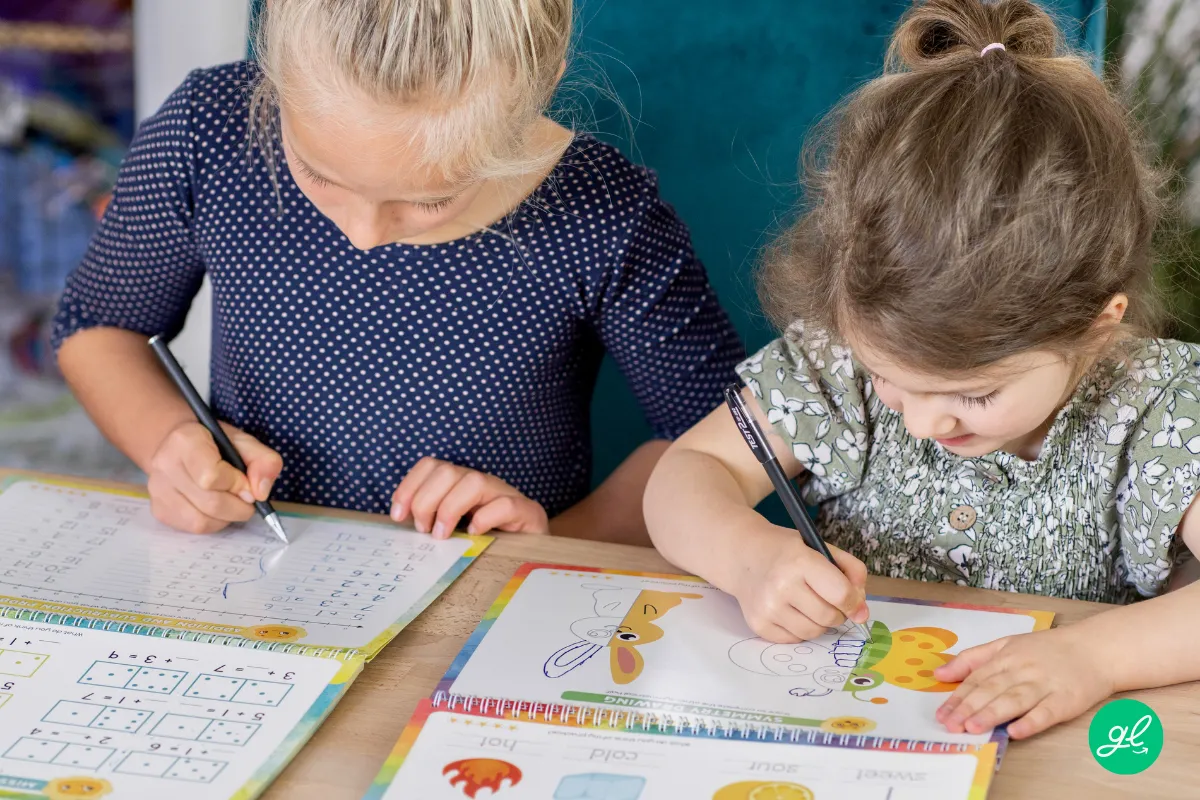
A steady routine helps children learn that sounds are the building blocks of speech. You do not need hours of prep or a classroom set-up to see growth. Instead, fit sound play into your daily life. Try a quick rhyming game while you drive to the store or a sound hunt as you cook dinner. Short bursts of focus prevent kids from feeling tired or bored.
Grooved Learning suggests keeping each session to about five or ten minutes. Model the sounds for your child without any pressure to get it right. If you want to build a simple weekly habit, pick three days to focus on sound play. Steady practice is vital for kids to master these skills over time. You can learn more about how phonemic awareness practice works through daily routines from expert guides.
Know when to simplify or move forward
Watch for signs that your child is ready for a new task or needs to slow down. If a child can find the first sound in a word with ease, they may be ready to blend sounds together. But if they seem lost or stop paying attention, it is time to make things easier. You might go back to basic rhyming or clapping out syllables. Meeting your child where they are keeps learning fun and builds their skill.
Studies show that most children who struggle to read have a core gap in sound skills. Finding these gaps early allows you to give them the right help before they start school. Using sound-based research from groups like the NIH helps parents see why these early steps matter so much. Always praise your child for trying, even when they make a mistake with a sound.
Use tactile tools for deeper learning
For kids who need more than just listening, tactile tools can make a big difference. Sensory learning helps kids keep what they learn by using sight, sound, and touch at once. Grooved Learning's phonics sound cards are a great way to add a hands-on part to your sound games. These cards help kids see and feel the sounds they are learning to say.
You can also use a structured reading and spelling system like Code Breakers to guide your path. The Grooved Learning bundle and full collection provide a set of books and tools to take the next step. These tools use grooved pages to build muscle memory as kids learn to write the letters that match the sounds. Adding these tools to your home routine makes sound play feel like a fun game rather than a hard chore.
Frequently Asked Questions
How can parents support phonemic awareness at home?
Parents can help build these skills by making sound games part of daily life. Simple tasks like driving or making meals are great times to practice hearing sounds in words. You can ask your child to find things that start with a specific sound. Grooved Learning's approach suggests using tactile tools and multi-sensory games to keep kids engaged. According to Reading Rockets, strong phonemic awareness is one of the best ways to predict future reading success for young learners.
What is the difference between phonological and phonemic awareness?
Phonological awareness is a broad skill that lets kids hear and work with the sound structure of spoken words. Phonemic awareness is a smaller part of that skill. It focuses only on the smallest units of sound, which are called phonemes. While English has only 26 letters, it has about 44 unique sounds. The National Institutes of Health notes that these skills help kids learn how to decode words. Mastery of these sounds is a key step before kids start reading.
Are there low-prep phonemic awareness activities for preschoolers?
Yes, you can use common items from around your house to teach these skills. A simple sound scavenger hunt is a fun way for kids to listen for specific sounds in their room. You can also have them sort toys into bins based on their starting sounds. Grooved Learning's methods focus on using touch and sight to help kids remember what they learn. According to Grooved Learning, multi-sensory learning helps kids stay focused and improves how well they keep facts during early play.
Can movement help children learn phonemic awareness?
Movement is a powerful tool for learning. Clapping out parts of words or jumping when you hear a specific sound helps kids feel the rhythm of words. This physical play keeps children interested and makes the lessons more fun. Using movement is a core part of the Grooved Learning method for building strong reading foundations. Research shows that physical action helps with attention and engagement. These active games are perfect for high-energy kids who need to stay busy while they learn new skills.
Ready to help your child grow their reading skills?
Waiting for your child to outgrow a learning gap can lead to years of stress for both you and your child. Reading gaps often grow larger when left alone. This makes it much harder for a child to catch up later. By acting now, you can give your child the right base for a lifetime of great reading and writing. Each day spent with the right tasks brings your child closer to knowing their letters and sounds. These small steps today stop big struggles in the future. Early help is the best way to keep their love for learning as school work gets harder. You can contact Grooved Learning for help or use their tools to make a big change in their skills in a few minutes a day. Grooved Learning's tools make this path clear and easy to follow for every parent.
Ready to contact Grooved Learning? See the shop to explore Code Breakers literacy tools.

Written by
Jenna ColemanJenna Coleman is the founder of Grooved Learning, a former classroom teacher, M.Ed., and mom of three based in Pennsylvania. She creates hands-on, multi-sensory educational tools grounded in the Science of Reading. Every article is written from real classroom and parenting experience.
Learn more about Jenna →


