


Best Spelling Curriculum for Homeschool: Phonics Programs
Many children can decode words during reading time but struggle to write those same words down during spelling practice. This spelling gap is a common frustration for many families who educate their children at home. Finding the best spelling curriculum for homeschool is the key to building strong, confident writers who no longer have to guess at word patterns.
Ready to find a spelling program that actually works? Shop the Code Breakers phonics-based spelling system and give your child the tools to spell with confidence.
The best spelling curriculum for homeschool uses a direct, phonics-based approach to teach children how letters and sounds connect rather than relying on visual memory. Research from Reading Rockets shows that formal spelling instruction consistently improves spelling performance across all grade levels. Instead of memorizing list after list, children need to understand word structure and spelling rules.
Every child learns at a different pace, and choosing the right homeschool spelling program depends on your child's age, skill level, and learning style. Let us explore how a focused program can transform your homeschool days and review the top phonics-based choices to help you find the perfect fit.
Why a Dedicated Spelling Curriculum Matters for Homeschool
Many families believe that learning to read is enough to make a child a good speller. They assume that if a child sees words on a page daily, spelling skills will just click. But as an educator and homeschool mom, I see many children who read well but still struggle to spell basic words. Reading is a decoding skill, while spelling is an encoding skill that needs its own focus.
The Limits of Casual Learning
Hoping a child will pick up spelling through everyday reading or casual writing does not work for most kids. Research shows that direct spelling instruction consistently improves spelling performance compared to informal or incidental approaches. When we teach spelling on purpose, we give children the exact tools they need to build words from scratch.
This systematic instruction benefits students across all grade levels and skill levels. Whether you teach a young child just starting out or an older child who still guesses at words, a dedicated program makes a big difference. It moves your student past simple memory drills and teaches them the rules that run our language.
How Spelling Builds Stronger Readers
A major benefit of spelling practice is that it actually makes your child a better reader. Learning to spell and learning to read rely on the same underlying knowledge of letter and sound relationships. When children learn how to segment words to spell them, they gain a deep understanding of phonics that carries over into their reading time.
You can find structured tools to guide this process by looking for a structured literacy homeschool curriculum that teaches spelling as part of a complete literacy foundation. This kind of systematic study helps kids see how letters work together.
Ready to explore a literacy system built on spelling rules that stick? Browse the Code Breakers workbook system to see how phonics-based spelling can transform your homeschool.
What to Look for in a Homeschool Spelling Program
Choosing a spelling program can feel hard with so many options. But a good spelling program should do more than hand your child a list of words to memorize. To build real skills, you need to find a program that focuses on how words work. Here are the key features to look for:
- Rule-based phonics instruction. The program should teach letter-to-sound rules rather than relying on rote memorization. Children need to understand why letters make certain sounds so they can spell unfamiliar words on their own.
- Multi-sensory practice. Look for programs that engage sight, sound, and touch. Tracing letters, building words with letter tiles, and saying sounds aloud all reinforce spelling patterns more effectively than silent worksheets.
- Structured progression. A good program moves from simple to complex in a logical order. It starts with short vowels and consonant blends before introducing advanced syllable rules and Greek or Latin roots.
- Screen-free options. Many homeschool families prefer hands-on workbooks that children can use anywhere. Reusable formats are especially practical for multiple children or daily practice.
Phonics and Sound Patterns
An effective spelling program helps children form a strong, deep understanding of written words. Research shows that knowing the spelling of a word creates a sturdy mental representation that makes the word more accessible for fluent reading. This means spelling is not just a writing skill; it is a key part of learning how to read. When your child learns the spelling pattern, they can read the word faster and with less effort.
Format and Family Needs
You also need to think about how your homeschool day runs. Some kids learn best when they can move letters with their hands. Other families prefer a screen-free book that they can take on the go. You should match the format to your child's learning style and your own budget.
Homeschool Spelling Features Compared
To help you choose, here is a quick look at how different spelling features compare. This chart can help you find the best approach for your homeschool.
| Feature Type | Rote Memorization | Rule-Based Phonics |
|---|---|---|
| Core Goal | Memorize specific lists | Understand letter-sound rules |
| How Kids Learn | Visual copying and word searches | Letter tiles and sound mapping |
| Reading Connection | Helps with only a few dozen words | Builds skills for fluent reading |
| Screen Options | Often uses online games | Mainly uses screen-free workbooks |
| Teaching Style | Independent daily worksheets | Teacher-led hands-on lessons |
Top Phonics-Based Spelling Programs Compared
Finding the right homeschool spelling program is a personal choice. Every child has a unique learning style, and parents have different teaching setups. Some kids need hands-on tools, while others work best with short daily writing lists.
Orton-Gillingham and Multi-Sensory Methods
Programs like All About Spelling use the Orton-Gillingham method to teach rules. Kids use letter tiles to build words, which helps visual and tactile learners. This direct method matches formal spelling instruction research showing that explicit teaching consistently improves spelling. Logic of English also uses a structured approach, combining reading and spelling rules to help kids who need to know the why behind every sound.
Visual and Pattern-Based Options
If you prefer a simpler option, Spelling You See focuses on pattern recognition. Kids use colored pencils to mark letter patterns in short paragraphs. Sequential Spelling offers a unique system that teaches word patterns through daily test-and-correct lists. There are also free or low-cost options like The Good and the Beautiful, though these rely more on memorization than explicit phonics rules.
Between these options, the best spelling curriculum for homeschool combines explicit phonics instruction with multi-sensory practice. A system that integrates spelling, reading, and handwriting into one cohesive approach saves you the hassle of juggling multiple programs.
What Makes a Spelling Program Effective for Struggling Spellers?
Many parents come to me with a common and frustrating puzzle. Their child can read books with ease but still struggles to write simple sentences without making basic spelling errors. In my years as a homeschool mom and educator, I have seen how common this gap is. The reason is simple: spelling and reading rely on the same underlying knowledge of letter-sound relationships, as noted by research from Reading Rockets. If a child does not have a solid grasp of how letters match sounds. They can still guess at words during reading but will fail when they have to build a word from scratch.
The Trap of Rote Memorization
In many traditional setups, kids get a weekly list of ten to twenty words to memorize. They take a test on Friday, get a good grade, and then forget how to spell those same words by Monday. This happens because rote memory is a weak tool for long-term learning. Because written words are not very visually distinct. It is almost impossible for young learners to memorize more than a few dozen words unless they develop a clear insight into how letters and sounds correspond. Rule-based spelling moves kids away from guesswork and teaches them the codes that unlock language.
Building Sturdy Mental Maps
When you teach rules, you give your child a blueprint. Instead of memorizing how to spell "can" and "cane" as random shapes, they learn how the silent "e" changes the vowel sound. This rule-based knowledge builds a sturdy mental map of the word. Having this clear map in their head makes the word much more accessible for fluent reading, as documented by Reading Rockets.
Reducing the Brain Load During Writing
When a child does not know spelling rules, writing a simple story feels like running a marathon in heavy boots. Their brain has to work so hard to remember how to spell each word that they run out of energy to think about what they want to say. Teaching rules removes this strain. Once spelling becomes automatic, kids can use their brainpower for higher-level parts of writing, such as sentence structure and creative ideas.
How to Choose the Right Spelling Curriculum by Grade Level
Every child moves through distinct stages of learning. To find the program that fits your family, you must align your choice with your child's current development. Direct spelling instruction benefits students across all grade levels, as confirmed by researchers at Reading Rockets. Matching the right tool to their age makes all the difference.
Early Elementary (Grades K to 2)
In kindergarten through second grade, children build their phonics base. Spellers at this stage need to learn how sounds map to letters. Do not use rote lists of random words. Look for programs that teach letter-sound links and basic patterns. The best learn to read programs often teach reading and spelling together because they share the same skills. Your focus should be on short vowels, consonant blends, and simple digraphs.
Upper Elementary (Grades 3 to 5)
By third grade, spelling rules start to solidify. Children transition from simple sound mapping to more complex patterns and syllable rules. At this stage, search for a program that teaches prefix, suffix, and root word structures. The goal is to build automatic habits so kids do not have to pause while writing.
Middle School and Beyond (Grades 6 to 8)
In middle school, spelling shifts from a standalone subject to a tool for fluent writing. Students need to apply spelling rules to essays, reports, and daily work. Look for a program that focuses on Greek and Latin roots, homophones, and advanced vocabulary. The right curriculum should help kids master tricky words without daily drills, freeing their minds to focus on complex thoughts and creative writing.
Build a Complete Literacy Foundation with Grooved Learning
Teaching a child to spell is one of the most rewarding parts of homeschooling, but it can be very hard. Many children know their letter sounds yet still struggle to spell, decode, or remember words on the page. In my years as an educator and homeschool mom, I have seen that children need more than rote lists. They need a structured path that binds sight, sound, and touch together. This builds sturdy mental paths for fluent reading and writing.
A Structured Literacy System Built on Brain Science
Grooved Learning's Code Breakers system is not a general workbook. It is a complete reading, spelling, phonics, and handwriting program. This system is deeply rooted in the Science of Reading and Orton-Gillingham methods. These proven educational methods teach kids how letters and sounds correspond in a logical, rule-based sequence. This direct instruction helps kids understand language patterns instead of guessing at words.
Multi-Sensory Practice and Reusable Grooves
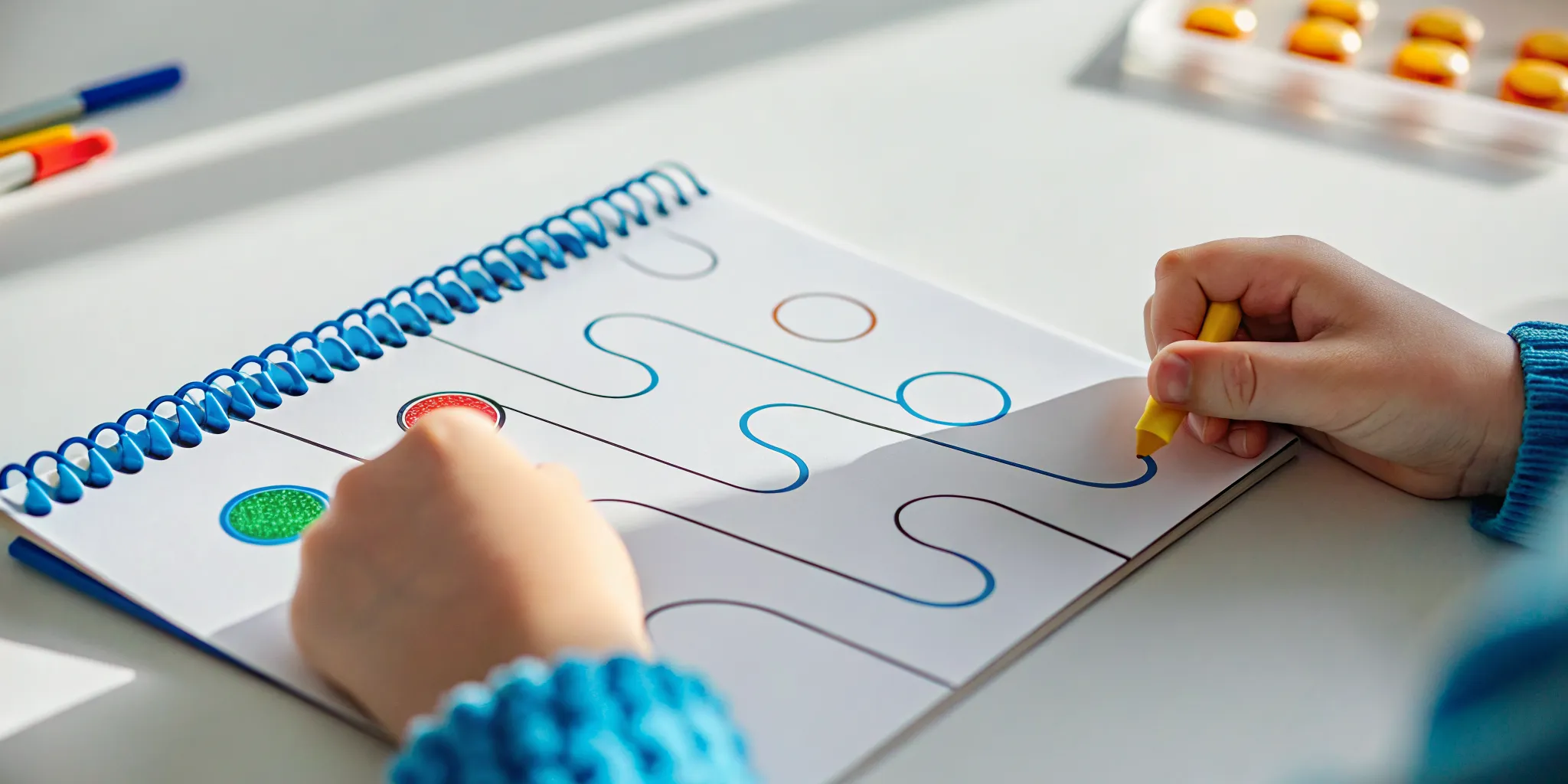
To help children truly retain spelling rules, Grooved Learning's Code Breakers combines sight, sound, touch, and movement. Kids hear the phonics rules, see the letter patterns, and trace letters inside physical, three-dimensional grooves. This physical tracing guides the hand into proper shape while building strong neural paths. Best of all, the workbooks use a reusable disappearing-ink format. The ink fades within minutes, which allows your child to enjoy unlimited, stress-free practice.
How to Blend Spelling with Your Reading Routine
If you want to help a child who struggles to read or spell, use spelling and reading together. Reading and spelling rely on the same core letter-sound knowledge. Integrating handwriting with phonics rules will make these lessons click much faster. To see how these methods fit into a wider plan, explore our reviews of structured literacy homeschool curriculum options.
You do not have to struggle with teaching spelling at home. You can get the tools your child needs to succeed.
Shop the Code Breakers collection today to find the perfect multi-sensory system for your homeschool.
Frequently Asked Questions
What is the best spelling curriculum for dyslexia?
Children with dyslexia need a structured, rule-based approach. The best programs use Orton-Gillingham methods to teach letter-sound relationships clearly. According to research on Reading Rockets, learning to spell relies on the same brain connections as learning to read. A systematic program helps these students build stable mental maps of words so they can decode and write with confidence.
How do I choose a spelling curriculum for struggling spellers?
Look for programs that move away from visual memorization and word lists. Struggling spellers need direct instruction on spelling rules and phonics patterns. Studies published on Reading Rockets show that formal spelling instruction consistently improves spelling skills across all grades. Choose a multisensory system that uses sight, sound, and touch to help children connect letters to sounds.
Is there a free homeschool spelling curriculum that works?
While free unit studies exist, they often rely on simple memorization or random word lists. These lists rarely teach the deeper rules of spelling. Successful spelling requires systematic phonics lessons rather than casual practice. To help kids who struggle, it is usually best to invest in a structured curriculum that teaches word patterns step-by-step.
Can the same program work for reading and spelling?
Yes. Reading and spelling rely on the same underlying knowledge of letter-sound relationships. Programs that teach both together, like Code Breakers from Grooved Learning, help children build a complete literacy foundation. When children learn the rules for both decoding and encoding, they become stronger readers and more confident spellers.
Ready to Shop the Code Breakers Workbook System?
Continuing to use spelling lists that rely on memorization often leads to frustration and slow progress. Starting a structured, phonics-based program now helps your child build a strong reading and spelling foundation before learning gaps widen. When you use a system that connects letters to sounds, your child gains the tools to read and spell with confidence.
Ready to shop? Shop the Code Breakers workbook system today to start building strong spelling habits.

Written by
Jenna ColemanJenna Coleman is the founder of Grooved Learning, a former classroom teacher, M.Ed., and mom of three based in Pennsylvania. She creates hands-on, multi-sensory educational tools grounded in the Science of Reading. Every article is written from real classroom and parenting experience.
Learn more about Jenna →


