


Why Does My Child Reverse Letters? A Parent Guide
If you are wondering why does my child reverse letters, the reassuring answer is that many early writers are still learning that direction changes a letter's meaning. Calm, brief practice can help your child build a reliable movement pattern without turning every flipped b, d, p, or q into a stressful correction.
Help your child feel each correct letter path with Grooved Learning's reusable grooved workbooks.
Why Does My Child Reverse Letters?
Children reverse letters because their brains are learning that a shape's direction matters in writing, even though direction rarely changes an everyday object. Reversals are common in early writing and usually become less frequent with consistent exposure, clear formation cues, and short practice that strengthens visual and motor memory.
A normal stage of growth
Letter reversals are a standard step for many children who are just starting to write. Most kids go through this phase as they learn how letters sit in space. These actions are common for children up to age 7 or 8. During these years, the brain is still building the skills it needs to tell shapes apart. It takes a lot of mental work to remember which way a "b" or "d" should face.
How often kids make these errors often peaks when they first start to write on their own. As they get more practice with reading and writing, their skill to spot these gaps grows. For most, the issue goes away on its own as they spend more time in school. You can help by letting them practice the basic lines and curves before full letters. This builds the hand control they need for better form.
How the brain sees shapes
The human brain is good at seeing objects regardless of the way they face. If you see a cup, it is still a cup if you flip it or turn it. Writing is different because the way the shape sits changes its meaning. A "b" and a "d" are mirror images of each other. The brain must learn to stop treating them as the same object and see them as distinct letters. This needs the brain to build new paths for letter direction.
When a child is tired or writing quickly, the brain may return to old habits. Mirror writing is not a sign of low intelligence or poor effort. It means the child's visual pathways are still developing.
Building better muscle memory
The best way to help a child stop reversing letters is to focus on how they make the shape. Instead of just looking at the letter, kids need to feel the path of the pen. Using multi-sensory tools can make a big difference. When a child uses their hands and eyes together, they build a stronger memory of the letter. This helps them remember the correct strokes without having to think too hard about it.
Grooved Learning workbooks use deep paths to guide a child's hand as they write. This physical feedback helps the child stay in the lines and follow the right path. It builds the correct muscle memory from the very start. When children feel the move, they are less likely to flip the letter later. Short and fun practice sessions at home keep the stress low. This helps kids stay happy as they build the skills they need for clear writing.
When Are Letter Reversals Age-Appropriate?
Letter reversals are common during preschool, kindergarten, and the early elementary years, especially when children write quickly or feel tired. Many children become more consistent by about age seven or eight. What matters most is whether accuracy and confidence improve gradually with instruction, repetition, and age-appropriate practice.
How age affects letter formation
Younger kids often use object-recognition logic for letters. In the real world, a chair is still a chair even if you turn it around. Letters like "p" and "q" are different because their direction changes their meaning. Growing brains must learn to stop this "mirroring" habit to read and write well. Studies show that inhibition of mirror generalization is a key step for school-aged kids to master literacy skills.
Most kids will stop reversing letters by the end of second grade. This usually happens around age seven or eight. Before this point, a child might still be learning to master the basic lines and curves needed for clear print. If your child is five or six, these mix-ups are usually not a cause for worry. They are simply part of the typical path to becoming a fluent writer.
Common milestones for writing
As kids grow, the types of mistakes they make tend to change. A four-year-old might write their whole name in reverse. A seven-year-old may only flip the odd "s" or "z." Tracking these shifts helps you see if they are making progress. Grooved Learning's letter recognition activity hub offers another way to reinforce how letters look and differ. Using multi-sensory tools can help kids build the right motor memory for each shape.
| Age or Grade | What is Normal | What to Watch |
|---|---|---|
| Age 3 to 5 | Writing letters in any way or order. | Lack of interest in drawing or marks. |
| Kindergarten | Frequent flips of b, d, p, and q. | Hard time holding a pencil or pen. |
| First Grade | Odd flips when tired or in a rush. | Cannot spot the same letter twice. |
| Second Grade | Most flips stop by the end of the year. | Flips that happen in every sentence. |
| Third Grade + | Mostly correct letter direction. | Steady flips that slow down reading. |
When to seek extra help
If your child is still flipping letters past age seven, it might be time to take a closer look. Reversals alone do not identify dyslexia or any other learning difference, but persistent patterns are worth discussing with a teacher. Consider talking with your child's teacher if these errors stay frequent into the third grade. Early support can make a big difference in building a child's trust and skills.

Simple Letter-Formation Cues That Build Confidence
Simple cues give a child one repeatable route for forming each confusing letter. Teach a consistent starting point, pair it with a short phrase, and practice only one letter pair at a time. The goal is not instant perfection; it is helping the hand remember a dependable movement.
Tips for b and d
Lowercase b and d are the most common letters for kids to swap. A simple way to help is to focus on where the letter starts. Use these clear cues.
- For b, say: Start at the top, go down the bat, then go around the ball.
- For d, say: Make a donut first, then go up and down for the door.
This path keeps the line and the circle in the right order. It builds a clear link between the sound and the shape in their mind. For the letter d, starting with the curve instead of the line helps the brain tell the two shapes apart. Steady verbal cues like these help build the multi-sensory tools kids need to grow. The more they hear the cue, the more their hand knows what to do.
Sorting p and q
The letters p and q also cause stress because they are mirror images. You can use the same logic of start points here. For p, say "start at the top, dive down, and then go around the parrot." This keeps the focus on the straight line first. It feels like a quick dive down into the water.
For q, tell them to "make the queen's face first. Then go down her hair and add a curl." By starting with the curve for q and the line for p, you give the child a clear choice. They don't have to guess where the circle goes. Studies show that inhibition of mirror generalization is a key part of learning to read and write. This means the brain must learn that a flip changes the meaning of the mark.
Steady start points
Many children struggle because they start letters from a new spot each time. This makes it hard for the hand to learn the right motion. You should always help your child start from the top for most letters. This top-down flow is fast and leads to smooth writing as they get older. It stops them from drawing letters and helps them write them.
Before they try full letters, have them master the basic lines and curves. Using grooved pages from Grooved Learning can also give physical feedback. This guide helps the hand stay on track when the brain is still learning the path. The grooves keep the pen from slipping, which lowers the stress of making a mistake.
Low pressure practice
It is vital to not tax your child with too much at once. If they flip a letter, don't make it a big deal. Just gently repeat the verbal cue and have them try again. Long sessions can lead to tired hands and upset minds. Short bursts of five to ten minutes are much better for learning.
When practice feels like a game, kids stay keen to learn more. You can have them say the cues out loud as they write. This uses their ears and their hands at the same time. This multi-sensory way is a core part of the Science of Reading. It helps the brain lock in the correct shapes for a lifetime of clear writing.
How Tactile Practice Helps Letter Formation Stick
Tactile practice combines what a child sees with what the hand feels while forming a letter. Tracing a clear path can reinforce the correct starting point, stroke order, and direction. With repeated short sessions, that movement becomes more familiar, making it easier to recall during independent writing.
Building muscle memory
Tracing lets children see and feel the movement needed to form a letter. This physical feedback helps the brain remember the correct route. Grooved Learning's deep paths guide the pen while children master each letter's basic lines and curves.
How touch stops flips
Tactile tools give children a clear sense of direction. Feeling the start and end of a letter path teaches the correct flow, making it harder for the brain to flip the shape.
Short and frequent sessions
Five to ten minutes of daily tactile practice is better than one long session because it limits fatigue and boredom. Grooved Learning's disappearing-ink books let children trace the grooves, watch the ink fade, and try again.
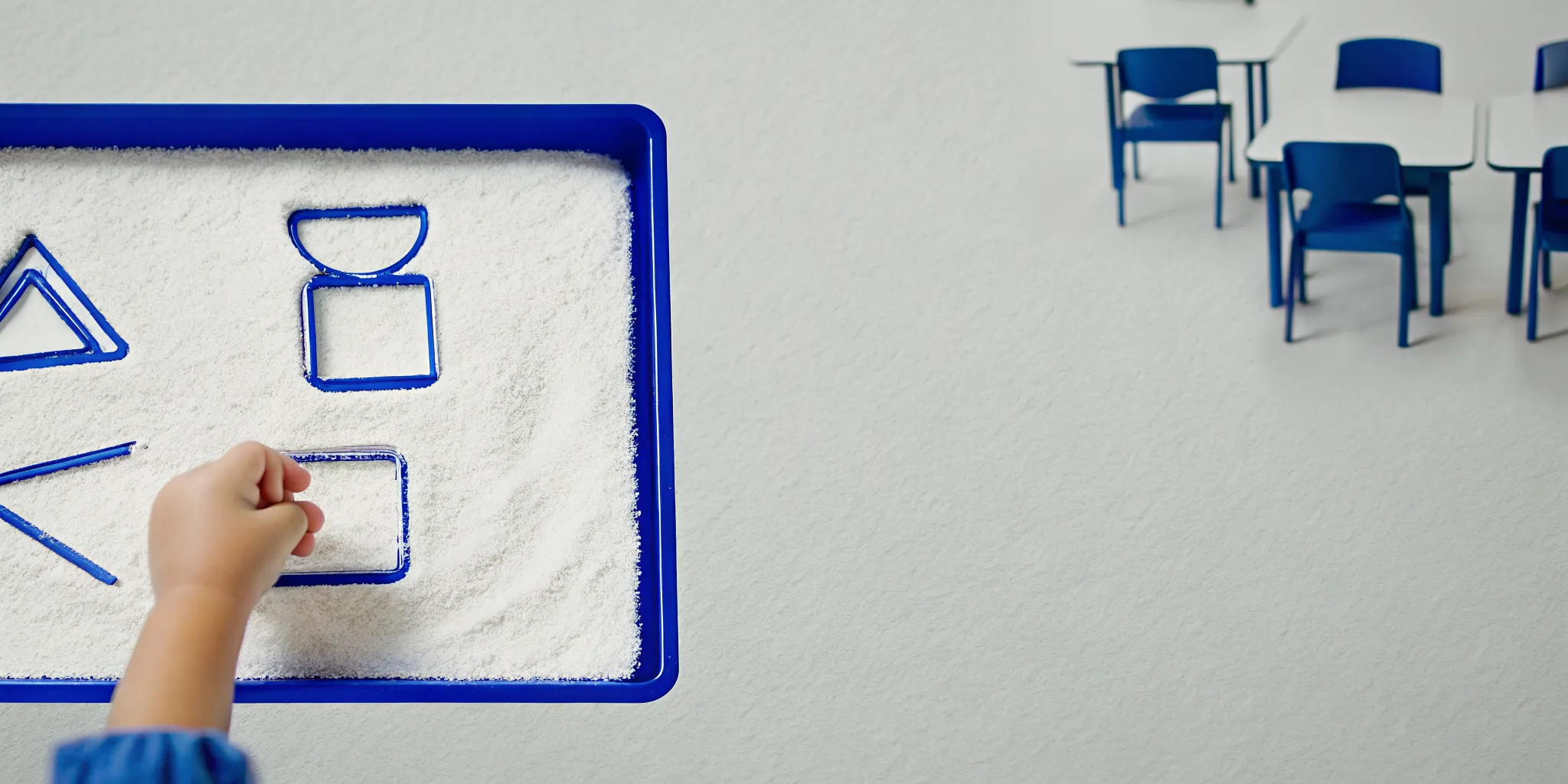
A Short At-Home Routine for Letter Reversals
A useful home routine takes only five to ten minutes: choose one confusing letter pair. Model each formation, let your child trace and say a cue, then finish with a few independent attempts. Stop while the activity still feels successful, and return to the same pair the next day.
Keep the session short
Make writing practice feel like a game. Five- to ten-minute sessions help your child stay focused. Practice when your child is well-rested because fatigue can increase reversals.
Focusing on just one letter pair at a time prevents confusion. When a child tries to learn too many letters at once, it can be hard to remember the right way for each one. By mastering one pair first, they gain the skill to move on to others. Grooved Learning workbooks help with this low-pressure way of learning. They provide a clear path for practice that kids can follow with ease.
Use a multi-sensory approach
Combine sight, sound, and touch during practice. Have your child trace a letter while saying its name. This links the shape, sound, and hand movement through repetition, helping the brain reduce mirror errors.
Tools like colored pens or grooved pages provide the touch feedback children need. Grooved Learning workbooks use physical paths to guide the hand. This makes it easier for children to build the right muscle habits. This physical guide is very helpful for kids who are still learning how to tell left from right on the page. It gives them a sense of where to start and where to go.
A simple five-step home routine
Follow these steps to help your child master letter path in just a few minutes each day. This routine is easy to fit into a home school day or after-school time.
- Pick one letter pair to work on, such as "b" and "d." This keeps the focus tight and cuts the risk of confusion.
- Have your child master the basic lines and curves of the letter by tracing them with a finger. This helps with hand control.
- Use multi-sensory tools like grooved workbooks to give touch feedback as they write. This helps reinforce the right path for each letter.
- Ask your child to say the name of the letter as they form it. This link helps the sound and the movement stick in the mind.
- Give a simple hint to help with path, such as "the 'b' has a belly." This gives the child a quick way to check their own work.
Daily practice is key to long-term success. Most children stop reversing letters by the end of second grade, around age seven or eight. By providing steady support and tactile practice at home, you give your child the tools they need. Remember to keep the tone light and cheer for small wins. This keeps your child happy and eager to learn more each day.
When Should Parents Seek Extra Guidance?
Parents can ask a teacher or qualified professional for guidance when reversals remain frequent beyond the early elementary years. Do not improve with steady instruction, or cause ongoing frustration. Share examples and describe what helps. A conversation can identify useful support without assuming that reversals alone explain a child's learning needs.
But if the patterns stay the same as they enter third grade, it might be time to look closer. Early tracking of these errors can help you know when it is time to talk with a pro. Monitoring helps you see if your child is making progress over time.
Watching for Steady Patterns
You can help by keeping a simple log of your child's work. Note which letters they flip and how often it happens. Many kids confuse letters like b and d because they share the same basic shape. This is often just a sign that their brain is still learning how to process spatial clues.
Using multi-sensory tools can help them build the motor memory they need to get it right. It is helpful to track if the errors happen more often when your child is tired or in a rush. Fatigue can make it harder for young learners to focus on the right way to form a letter.
If you see that the flips happen even when they are well-rested, that is a good detail to share with their school. A pattern of flips that does not get better with steady practice may be worth a talk with a pro. This helps you catch potential issues before they cause frustration.
- Keep track of which specific letters are being reversed most often.
- Note if your child also flips numbers or other symbols.
- Observe if the reversals happen in both reading and writing tasks.
- Check if the rate of flips stays high even after a month of practice.
Talking with Your Child's Teacher
Your child's teacher is a great person to talk to about these concerns. They see many students and can tell you if your child's progress is on track for their grade level. If flips and reversals persist into the third grade, a teacher can help you find out why.
They may suggest ways to adjust their work in class or give you new tools to use at home. A teacher can also check if your child is having trouble with other skills like reading or spelling. While reversals do not always mean a child has a learning gap, they can sometimes be a sign of a struggle.
Starting a talk early helps make sure your child gets the right support without feeling stressed. You can work with the school to set up a plan that builds their pride and skill at the same time. This team effort ensures that the child feels supported both at home and in the classroom.
Exploring Expert Support
In some cases, talking to an expert or a reading pro is a good next step. These experts can look at things like visual work and hand-eye control. They can find out if your child has a hard time with mirror generalization. This is how the brain tells the difference between mirrored shapes.
Research shows that learning to stop mirror processing is a key part of learning to read well. Seeking help is not about finding a label for your child. It is about giving them the best path to success. An expert can offer fun, low-pressure ways to strengthen their skills.
They might suggest tactile games or special tracing tasks that make learning feel like play. By getting extra help, you can ensure your child feels proud of their work as they grow into a strong writer. This support builds a base for long-term learning success.
What Should Parents Avoid When Correcting Reversals?
Avoid correcting every reversed letter, assigning long drills, or treating mistakes as carelessness. These responses can make writing feel tense without teaching a clearer movement. Instead, select one target, model it calmly, praise effort and improvement, and end practice before your child becomes tired or frustrated.
Do not over-correct every mark
Pointing out every single flipped letter can make writing feel like a chore. If a child has to stop for every "p" or "q," they lose their train of thought. This can lead to frustration and a fear of making mistakes. Instead, let them finish their sentence first. You want them to focus on the joy of sharing their ideas. To help them build control without the stress, you can have them master the basic lines and curves through simple practice.
Skip the long drill sessions
Long hours of practice often lead to tired minds and sloppy work. Research shows that neural processes in school-aged children are still learning how to handle mirror images. When a child is tired, they are more likely to make these mistakes. Keep your practice times short and sweet. Aim for five to ten minutes of focused work a few times a week. This keeps their energy high and helps them build better habits without feeling burnt out.
Avoid teaching too many pairs at once
Trying to fix "b" and "d" and "p" and "q" all in one day is too much for a young learner. It mixes up the shapes in their head. It is better to pick one letter and stick with it until they feel sure. You can use multi-sensory tools to help them feel the shape as they write it. Once they know one letter well, they will have an easier time with the next one. This slow and steady way helps the brain lock in the correct path.
Do not view it as defiance
It can be tempting to think a child is just not trying or is being difficult. But reversing letters is almost never a choice. It is a sign that their brain is still working on spatial skills. Treating it like a behavior issue can damage their trust and love for learning. Stay calm and stay patient. Most children outgrow this phase by the end of second grade as their brain matures. Your support makes that journey much smoother for them.
Make practice personal with Grooved Learning's guide to name-writing activities.
Frequently Asked Questions
Is it normal for a child to reverse letters?
Yes, it is very common for young children to flip or reverse their letters. This happens because their brains are still learning how to tell left from right. Most kids go through this phase while they learn to write. According to Brainspring, it is hard for a child to learn 52 different letter shapes that often look the same. This stage is a natural part of how children grow and learn.
At what age should a child stop reversing letters?
Most children stop flipping letters by the end of second grade. This is usually around age seven or eight. By this time, their brains have a better sense of space. If a child still does this after age seven, it might be time to look closer at their visual skills. Experts at Understood say that many kids outgrow this on their own as they get more practice in school.
Does reversing letters mean my child has dyslexia?
No, reversing letters does not always mean a child has dyslexia. While some kids with dyslexia flip letters, many kids without it do too. Letter reversals are a normal part of growth for many young learners. A learning difference cannot be identified from this one sign alone. It is just one small part of learning how to read and write.
Why do children write letters backwards?
Young children often write backwards because of how their brains see objects. In the real world, a chair is still a chair if you flip it. However, a b becomes a d when you flip it. This is a new rule for a child's brain. A study on PubMed shows that kids must learn to stop this mirror way of thinking to read well. It takes time to learn these specific rules.
What can I do at home to help my child with letter reversals?
You can help your child at home with fun activities. Use large motions to write letters in the air or in sand. This helps their bodies learn the right paths. Focus on one tricky pair at a time, like b and d. Praise them when they get it right. Grooved Learning offers tools to help kids build these skills with ease. Practice builds confidence.
Build Confident Letter Formation With Tactile Practice
Short, calm practice can help a child replace uncertainty with a familiar movement pattern. Grooved Learning's reusable books give early writers a tactile path to follow, so each practice session can focus on correct starts, direction, and confidence rather than correction alone.
Choose a Grooved Learning practice option that fits your child's current stage, and keep each session short, calm, and encouraging.

Written by
Jenna ColemanJenna Coleman is the founder of Grooved Learning, a former classroom teacher, M.Ed., and mom of three based in Pennsylvania. She creates hands-on, multi-sensory educational tools grounded in the Science of Reading. Every article is written from real classroom and parenting experience.
Learn more about Jenna →


