


10 Phonics Games for Struggling Readers at Home
For many children, learning to read presents significant cognitive hurdles, and a child who habitually guesses at words based solely on the first letter is missing a vital, structured foundation in phonics. Transforming this instructional struggle into an active game completely shifts the educational dynamic, turning what could be a stressful lesson into a shared, confidence-building win for families.
Ready to transform reading struggles into confidence? Explore Grooved Learning's Code Breakers structured reading curriculum today!
Phonics games for struggling readers turn stressful lessons into active play, reinforcing essential blending and segmenting skills. By combining movement, touch, and sound, these hands-on activities build automatic word recognition. Systematic practice with engaging games helps struggling readers transition from guessing words to decoding them with confidence.
Why do phonics games matter for struggling readers?
Learning to read can be a daunting milestone for struggling readers. Systematic and explicit phonics is the most effective way to support their development because it establishes clear, predictable links between letters and sounds. For many children, simply reviewing rules on a page is insufficient; they require active, multisensory practice to internalize these concepts. Phonics games transform structured literacy instruction into a rewarding, highly engaging experience.
Children who struggle with reading often experience severe frustration in conventional classroom settings, watching their peers progress with ease while they fall behind. Phonics games level the playing field by offering key pedagogical advantages:
- Relieves instructional pressure: Reframing intensive practice as play lowers stress levels, making children far more receptive to new concepts.
- Encourages brave learning: Active games create a safe, low-stakes environment where mistakes are treated as natural steps in the game rather than failures.
- Fosters positive association: Engaging, game-based learning helps children build joyful memories around reading, which is essential for long-term academic confidence.
Building speed and word memory
Games help bridge the gap between a rule and reading a word fast. This speed is how the brain learns to read well. The Science of Reading shows that we must see words fast to know what we read. Our Science of Reading-aligned homeschool curriculum uses this. It builds the paths in the brain needed for strong skills. Phonics games help build the word speed kids need to enjoy the story.
The letters on a page act as a tool for the mind. This system works like a mnemonic device to help kids store words. When kids play, they use this system many times. This deep practice helps them see how sounds and letters fit. It builds a firm base for spelling and reading for years to come.
Without this speed, the brain spends too much power on single sounds. This leaves little room for the child to know the plot. By making word speed fast, games free up the mind. The child can then focus on the joy of the book itself. This is how we turn a chore into a hobby.
Practice without feeling tired
Struggling readers often experience profound cognitive fatigue and emotional resistance during traditional reading drills. Phonics games mitigate this anxiety, allowing children to complete the high volume of repetitions required for long-term retention. Utilizing essential phonics sound cards transforms routine practice into an interactive, motivating match. This keeps children actively engaged on-task and prevents the frustration that leads to early disengagement.
Getting it right takes many tries to move a new skill into long-term memory. But doing the same thing over and over can be dull. Games hide the drill inside a fun goal. This allows for hours of work without the child feeling worn out. It turns a "have to" task into a "want to" work.
By playing, kids do the hard work of decoding without even knowing it. They wire their brains in a way that feels safe. This builds their own trust as they get faster. They stop guessing and start reading with real skill. This is how games make a big change for struggling readers.
What are the best letter sound and phonemic awareness games for ages 3 to 5?
For young kids, the path to reading starts with the sounds they hear in spoken words. This skill is called phonemic awareness. It is the base for all future reading. When we play phonics games for struggling readers at this age, we are not just having fun. We are teaching them how letters and sounds work as one to build words. The National Institute for Literacy says phonics helps kids see the link between the letters they see and the sounds they hear. This link is what lets them decode words later on.
The Sound Scavenger Hunt
One of my favorite ways to build these skills is a sound scavenger hunt. It takes almost no prep and keeps kids moving. Pick a sound, like the /m/ sound. Ask your child to find three things in the room that start with that sound. They might bring you a map, a mug, or a toy mouse. As they find each item, have them say the sound clearly. This helps them isolate the first sound in a word. If they struggle, you can help by stretching the sound out, like "m-m-mug."
You can also use essential phonics sound cards to make this more visual. Show the card for the letter M and have them find items that match. This turns a simple game into a strong lesson. It builds their confidence before they ever pick up a book. For kids who struggle to sit still, this type of movement is key to keeping them on track.
Letter Swat: A Multisensory Favorite
Letter Swat is a high-energy game that kids love. It uses movement and touch to help them remember letter sounds. At Grooved Learning, we know that a structured literacy reading program works best when it is multisensory. Engaging the hands and the eyes at the same time helps the brain store new facts for longer. This game is perfect for kids who need to stay active while they learn.
- Write 5-10 letters on index cards or sticky notes using a thick marker.
- Spread the cards out on a table or tape them to a wall at your child's height.
- Give your child a fly swatter or just have them use their hand.
- Call out a letter sound, such as "Find the sound /s/ like a snake."
- Your child must find the correct letter card and "swat" it as fast as they can.
- Ask them to repeat the sound after they swat the card to lock it in.
- Switch roles and let your child call out the sounds for you to swat.
This game works well because it removes the stress of a formal lesson. Kids see it as a race, but they are building vital skills. By the time they start a full program, they will already know their sounds. This early win makes a big change for kids who might feel behind. It sets them up to be strong, confident readers who enjoy the process of learning.
How can blending and segmenting games help emerging readers?
Once a child knows their letter sounds, the next big step is putting those sounds together. This is called blending. Breaking words apart into sounds is called segmenting. These two skills are the glue that holds reading together. For many children, this part feels hard. They might know that /c/, /a/, and /t/ make "cat," but they struggle to do it fast while reading. Using phonics games for struggling readers makes this practice feel like play instead of work.
Mastering the Sound System
Blending and segmenting help kids see how our language works. When a child learns to break a word like "sun" into three parts (/s/, /u/, /n/), they build a map in their brain. Phonics lessons teach children the link between letters and the sounds we hear in spoken language. This link helps children remember words more easily. Good games help kids recognize words with more speed and automate the reading process. This is key because if a child spends all their energy on decoding, they cannot focus on what the story means.
The Flip the Pancake Game
This game is a hit in my house because it uses simple things you already have. You just need some paper and a spatula. Cut out circles from brown paper to look like pancakes. On each pancake, write a simple three-letter word like "map," "hop," or "bin." You can pick words that your child is currently learning. Place the pancakes word-side down in a pan or on the table.
Ask your child to flip a pancake with the spatula. Once they flip it, they have to say each sound they see. Then, they blend the sounds to read the word. This game is great because it uses a systematic phonics and spelling curriculum approach to help with memory. Moving the spatula and seeing the words pop up keeps kids on task. It turns a dry lesson into a fun kitchen task. If they get the word right, they get to keep the pancake in their "breakfast" pile.
Lego Sound Builders
If your child loves blocks, this game is perfect for them. Grab a few bricks or any small blocks you have. Each block will stand for one sound in a word. Start with a word like "duck." As you say the sounds (/d/, /u/, /k/), have your child place one block for each sound. They are building the word from the ground up. This helps them see that words are made of small pieces that fit together.
You can also try this game in reverse. Give them a built tower of three blocks and a word like "chip." Have them take one block away for each sound they say (/ch/, /i/, /p/). This helps with segmenting. These hands-on games help kids who struggle to sit still. It gives them a way to touch the sounds as they speak. It also helps them see the patterns in words without feeling bored. Keep these games short and fun to help your child grow.
Which digraphs, blends, and syllable games work best for older kids?
Older kids who struggle with reading often need help with more complex word parts. They have moved past basic letter sounds but may still trip over digraphs and blends. Using a Code Breakers multisensory workbook system helps them see how these parts fit together. Planned practice works much better than guessing from pictures. This fact is shown in research from the National Institute for Literacy.
Mastering Digraphs and Blends
Consonant digraphs (like sh, ch, or th) and consonant blends (like st, br, or cl) often present challenges for older struggling readers. While digraphs represent a single phoneme with two letters, blends require pronouncing two distinct phonemes in quick succession. To build confidence in these advanced patterns, try these engaging activities:
- Sound Matching Bingo: Create bingo cards populated with target digraphs or blends. Call out a sound, and have your child identify a corresponding word on their card.
- Blend Builders: Use letter tiles to show how individual sounds merge into a blend, emphasizing how each sound retains its identity.
- Digraph Detective: Highlight digraphs in a short paragraph and practice reading them in isolation before blending them into the full sentence.
For an extra boost, use key phonics sound cards to show the letters as you play. This links the sound they hear to the letters they see. Older students often like games that move fast and feel like a real challenge. You can set a timer to see how many words they can find in a minute. This builds speed without adding too much stress.
Games for Syllable Splitting
Big words can feel scary for a struggling reader. Syllable splitting games turn big words into small, easy chunks. One fun game is "Syllable Snip." Write long words on strips of paper. Have your child "snip" the paper between the parts. This hands-on act makes the idea of word parts much clearer. It helps them see that even the longest words are just a series of smaller pieces.
You can also play "Syllable Jump." Lay out hoops or markers on the floor. Have your child jump to a new spot for every sound chunk they hear in a word. This kind of multisensory play is very helpful for kids with dyslexia. It keeps their bodies moving while their brains work on the sounds. Moving while learning helps the new skills stay in their memory for a long time.
| Word Part. | Game Idea. | Main Goal. |
|---|---|---|
| Digraphs. | Sound Matching Bingo. | Find one sound from two letters. |
| Consonant Blends. | Blend Speed Drill. | Hear each sound in a group of letters. |
| Syllables. | Syllable Snip or Jump. | Break long words into small chunks. |
Choosing the Right Game
The best games for older kids feel like a sport or a puzzle. They should not feel like "baby work." Focus on one skill at a time so they do not feel stuck. If they struggle with "sh" and "th," play games that only use those sounds for a few days. Once they feel strong, add a new sound. This step-by-step path builds their trust in their own skills.
Always keep the focus on the fun. Games are a time to relax and try new things without fear of a bad grade. When a child feels safe, they are more open to learning hard things. These games help fix what they learn in their daily lessons. They turn hard work into a win they can feel proud of at the end of the day.
How can interactive decoding games stop a child from guessing words?
Many children default to guessing words based on the initial letter or pictorial clues. While they often do this in an attempt to read faster, guessing hinders orthographic mapping and limits their growth as fluent readers. To break this habit, parents should guide children to attend to every single grapheme in a word. Excellent decoding strategies include:
- Phoneme-grapheme mapping: Directing children to point to and sound out each letter from left to right.
- Nonsense word tracking: Encouraging kids to blend pseudo-words to ensure they are decoding rather than relying on memorized shapes.
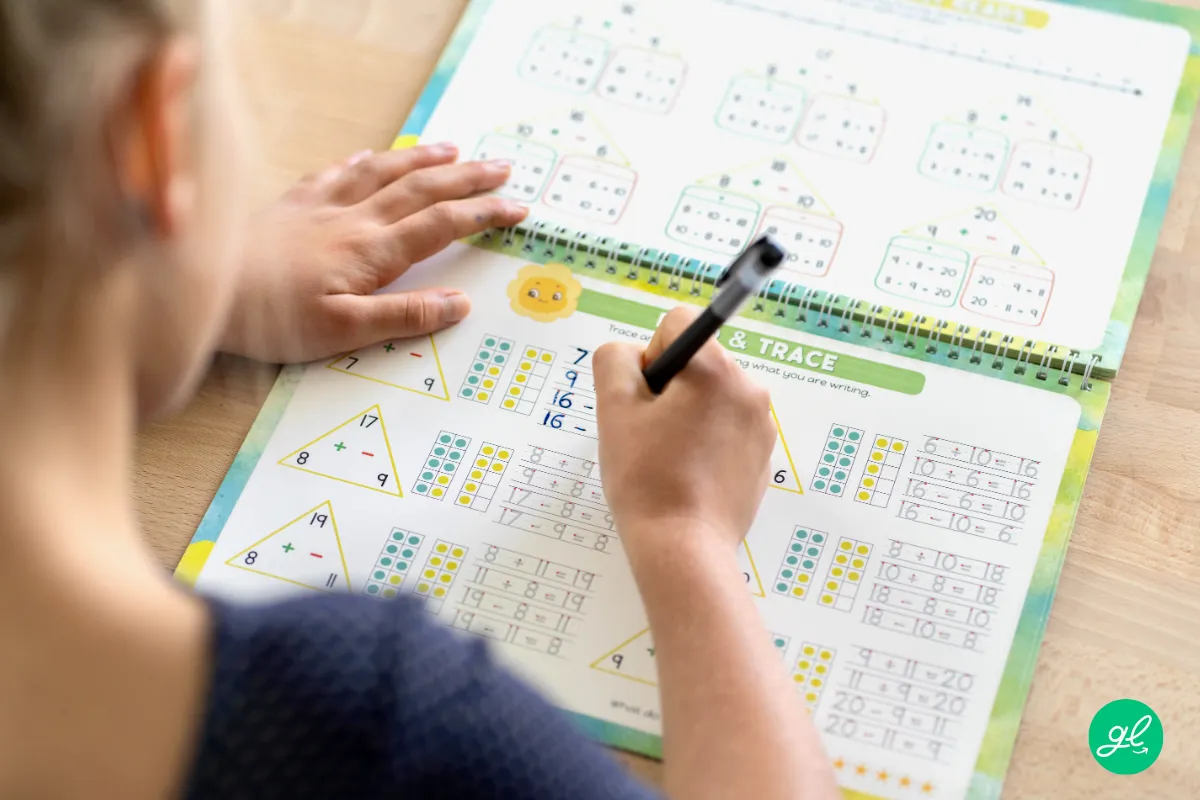
- Tactile reinforcement: Having children trace the letters as they produce the corresponding phonemes.
The Real vs. Nonsense Word Scoring Game
Phonics games for struggling readers can make this switch feel like fun rather than a chore. One of my best ways to stop guessing is a simple scoring game. You write a list of words on cards or a board. Some are real words, like "cat" or "shop," while others are nonsense words like "zat" or "thip."
In this game, your child earns one point for reading a real word right. They earn two points for reading a nonsense word. Because they cannot guess a made-up word, they have to use their systematic phonics skills to sound out each part.
Nonsense words are a great tool for building skill. When a child sees a word they do not know, they must decode it letter by letter. This practice helps break the habit of guessing based on context or memory. Using both real and nonsense words shows you if a child truly knows their sounds.
Why Decoding Matters More Than Speed
It is easy for parents to worry when their child reads slowly. But slow and right is always better than fast and wrong. When children guess, they miss out on the chance to build a strong reading map in their brain. By slowing down to decode, they learn how letters work together to form sounds.
This is the heart of our multisensory learn-to-read curriculum, which guides kids through each step. To make this even more useful, we use a multi-sensory approach. This means children use their eyes, ears, and hands at the same time. This method is a core part of how we support memory for struggling readers.
How to Use Sound Cards for Games
Using tools like essential phonics sound cards helps them bridge the gap between a letter and a sound. You can use these cards to build new words for your child to read. Start with simple three-letter words. Change one letter at a time to create a new word, whether it is real or not.
For example, change "pin" to "pan," then to "paf." This forces the child to stay alert and look for the change. It keeps the game moving and ensures they are truly decoding rather than trusting what they think the word should be. It is a simple way to build the skills they need to read with ease.
How do you set up phonics games at home for success?
Setting up phonics games at home should feel like a fun break, not a chore. When you guide a struggling reader, your goal is to make practice feel safe and good. I have seen that small, steady wins build the most trust in their own skills.
You do not need a full classroom setup to see real growth in how your child reads and spells. With a few simple tools and a warm spirit, you can turn your living room into a place where reading clicks. Phonics games for struggling readers should be a bright spot in your day.
Keep games short and focused
To prevent cognitive fatigue and maintain high engagement, keep these interactive sessions brief and highly focused. Aim for five to ten minutes of play each day. It is better to have a short, happy session than a long one that ends in stress.
You should also focus on just one clear skill at a time to keep your child from feeling stuck. For example, if you are working on the "sh" sound, stick to that sound for the whole game. This path helps keep the focus on learning without causing your child to shut down.
Use multisensory tools for practice
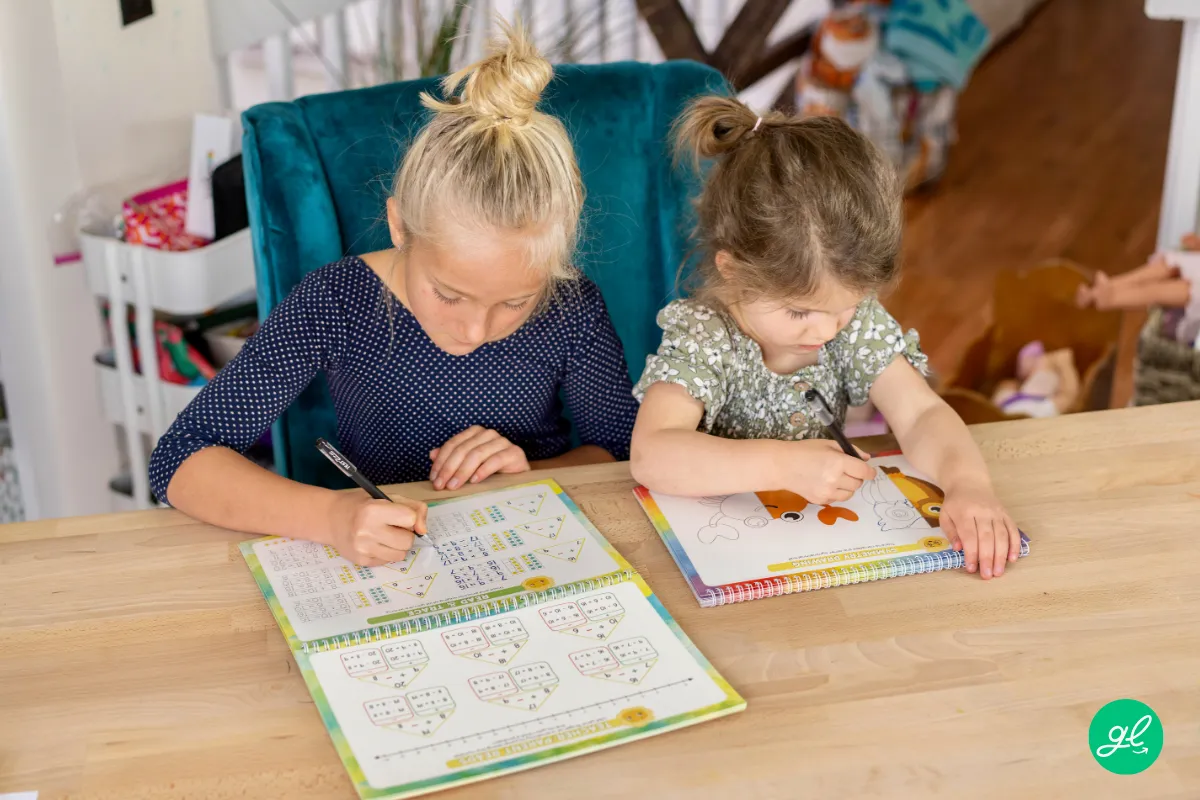
Multi-sensory learning is a key part of how children keep things in their minds for a long time. When kids use their eyes, ears, and hands at the same time, the brain builds stronger paths for reading. Our reusable workbooks are a great tool for this kind of touch-based play.
They use disappearing ink that lets your child trace letters over and over. This gives them a way to practice without the fear of making a mistake on paper. Since the ink fades, the workbooks offer a fresh start for every new game.
Focus on low-pressure wins
For kids who find reading hard, games must stay low-pressure. If a child feels like they might fail, they may stop trying. Use games where the focus is on the act of playing rather than a final score.
You can cheer when they hear a sound or match a letter the right way. This builds the habit of trying new words without fear. When the stakes are low, your child is more likely to take the risks needed to learn to read well.
Reinforce skills with purposeful play
Games work best when they give your child a way to use what they learn in their lessons. Systematic programs are very useful because they give kids much practice in using their knowledge of letters and sounds. You can use your Code Breakers curriculum to find which sounds to practice next.
By framing these tasks as games, you turn hard work into a win for your child. This approach keeps reading practice fun while still being very helpful. You are not just playing; you are building the base for a life of reading.
Frequently Asked Questions
Can phonics games be used for dyslexic readers?
Yes. For children with dyslexia, games that use more than one sense at a time are very helpful. According to Grooved Learning, using sight, sound, and touch helps kids remember letter-sound links. These engaging activities transform demanding decoding exercises into rewarding experiences, building the confidence and self-efficacy struggling readers need to thrive. Using movement or tools like sound cards lets struggling readers learn in a way that fits how their brains work.
Are multisensory phonics games better for struggling readers?
Yes. Research shows that games involving movement or touch improve memory for kids who find reading hard. According to the National Institute for Literacy, systematic phonics helps kids find the links between letters and sounds. Adding a physical part to these games makes the lessons stick. This type of practice helps the brain turn new sounds into words much faster than just looking at a page.
Do phonics games replace a systematic reading curriculum?
No. You should use games to support a clear, step-by-step reading plan. Phonics games are great for practice, but they do not teach new skills on their own. The best way to help a struggling reader is to use a proven system like the Code Breakers curriculum. Games give the repetition kids need to get fast and smooth at reading after they learn the basic rules from a teacher.
Can I use ESA funds to buy phonics games or curriculum?
Many families can use Empowerment Scholarship Account (ESA) funds to pay for reading tools. States like Arizona let parents use these funds for curriculum that helps kids learn to read and spell. You can find out more about how to use ESA funds for reading on our site. This helps make high-quality phonics tools like sound cards and workbooks more affordable for every family.
Ready to help your child read with confidence?
When a child falls behind in phonics, they often lose their spark for learning and begin to see reading as a heavy chore. You can stop this cycle by starting our Code Breakers program today to help them catch up before the gap grows too wide. Every day of practice counts when you want to build a strong base for your child's future success.
Do not wait until next year to give them the tools they need to feel good about their skills again. The sooner you act, the faster they will gain the confidence to read on their own.
Ready to talk to a reading expert? Explore Grooved Learning's Code Breakers curriculum and Sound Cards today to find the perfect fit for your family's needs!

Written by
Jenna ColemanJenna Coleman is the founder of Grooved Learning, a former classroom teacher, M.Ed., and mom of three based in Pennsylvania. She creates hands-on, multi-sensory educational tools grounded in the Science of Reading. Every article is written from real classroom and parenting experience.
Learn more about Jenna →


